Our Blog
Our Latest Blog
Explore our blog for fresh ideas, trends, and useful tips to grow your business!
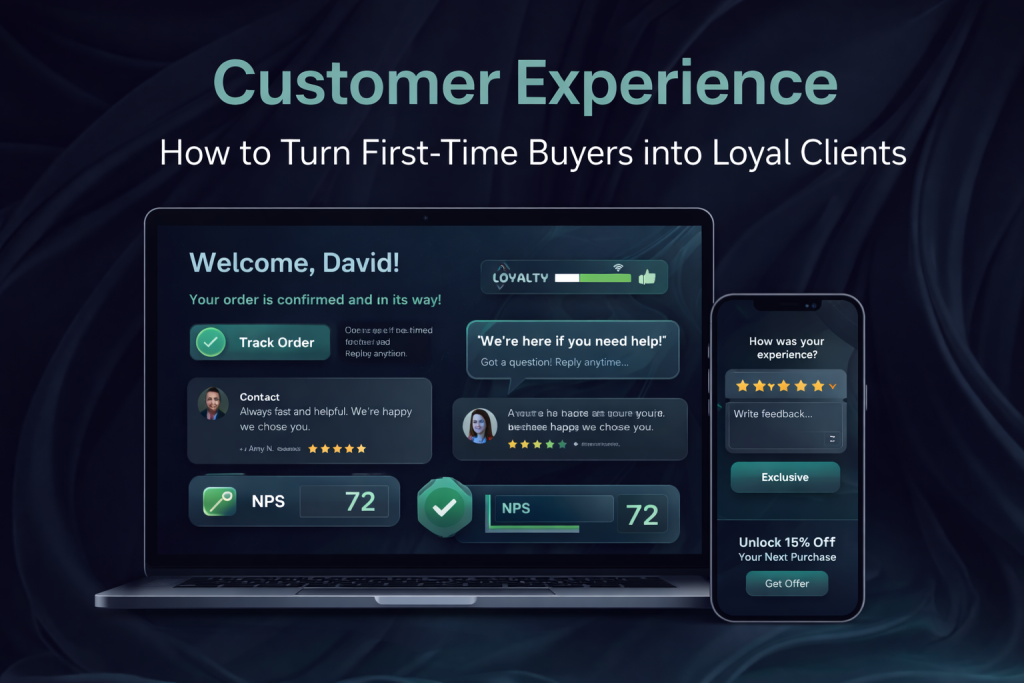
Customer Experience: How to Turn First-Time Buyers into Loyal Clients
Many businesses invest heavily in advertising to attract new customers — but far fewer invest in keeping them.
In reality, long-term growth is driven not by how many customers you acquire, but by how many you retain.
Customer Experience (CX) is the key factor that determines whether a first-time buyer becomes a loyal client — or disappears after one purchase.
Most articles talk about “being nice to customers” or “good support”. That’s not enough.
Professional CX is a system, not a feeling.
Why First-Time Buyers Leave
Based on real CX audits and market research, most businesses lose customers for predictable reasons:
Unclear onboarding after the first purchase
Slow or inconsistent communication
Lack of trust signals and follow-up
No emotional connection with the brand
No reason to come back
The problem is rarely the product itself.
It’s the experience around the product.
What Professional CX Really Means
Customer Experience is the full journey a client goes through — from the first touch to repeat purchases and advocacy.
This includes:
First interaction with your website or ad
Purchase and payment experience
Onboarding and usage
Support and communication
Post-purchase follow-up
Loyalty and re-engagement
Strong CX is designed, not improvised.
Step 1: Design the First 72 Hours After Purchase
The first 72 hours define whether trust grows or disappears.
Best-performing brands always:
Confirm the purchase clearly and instantly
Explain what happens next
Set expectations (delivery, usage, support)
Stay in touch without overwhelming the customer
Silence after payment is one of the biggest CX mistakes.
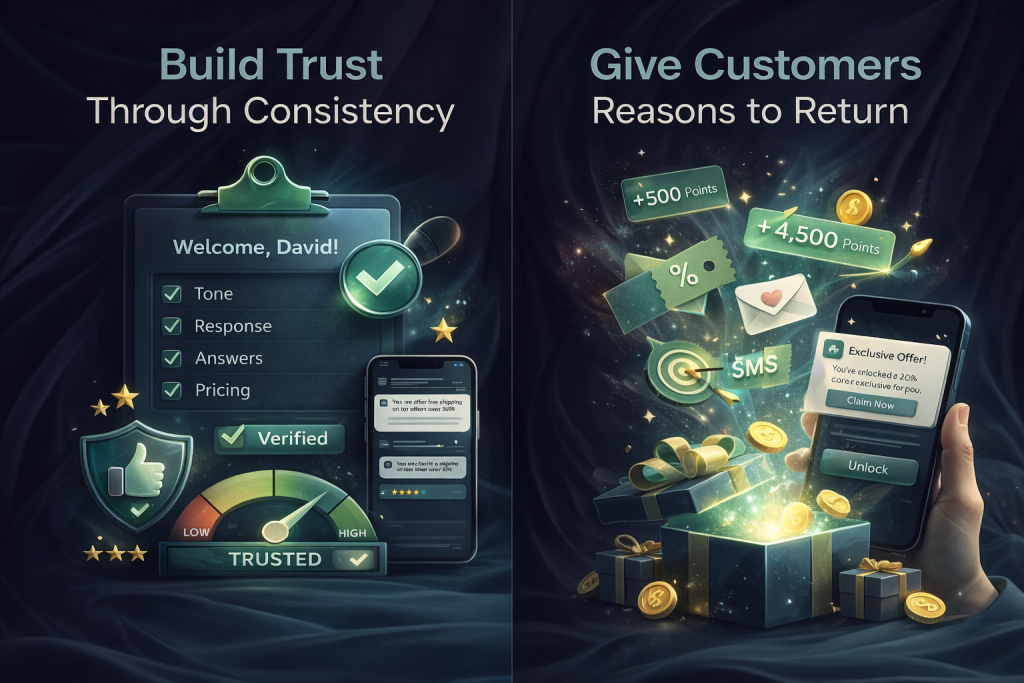
Step 2: Build Trust Through Consistency
Trust doesn’t come from words — it comes from consistency.
Customers expect:
The same tone of voice everywhere
Predictable response times
Clear answers, not excuses
Transparency in pricing and policies
When experience is inconsistent, customers feel unsafe — and leave.
Step 3: Use Feedback as a Growth Tool, Not a Formality
Many companies collect feedback but never act on it.
Professional CX systems:
Collect feedback at key touchpoints
Measure NPS, CSAT, retention
Identify patterns, not single complaints
Close the feedback loop with customers
When clients see that feedback leads to action, loyalty increases dramatically.
Step 4: Create Reasons to Return
Loyalty is not automatic. It must be earned.
Effective strategies include:
Personalized follow-ups
Educational content and tips
Exclusive offers for existing clients
Clear next steps after each interaction
If you don’t guide the customer forward, someone else will.
CX Is a Revenue System, Not a Soft Skill
Companies with strong customer experience:
Convert better
Retain customers longer
Spend less on advertising
Grow through referrals
Customer Experience is not a cost.
It’s one of the highest-ROI investments a business can make.
Final Thought
Turning first-time buyers into loyal clients doesn’t require magic.
It requires structure, systems, and intention.
If you don’t design the experience — your customers will design their exit.